Stethoscope
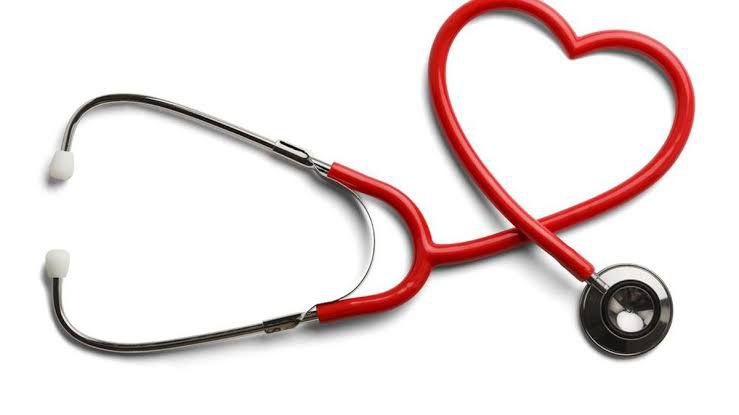
The stethoscope is a medical device for auscultation, or listening to internal sounds of an animal or human body. It typically has a small disc-shaped resonator that is placed against the skin, and one or two tubes connected to two earpieces.
Description
The stethoscope is a medical device for auscultation, or listening to internal sounds of an animal or human body. It typically has a small disc-shaped resonator that is placed against the skin, and one or two tubes connected to two earpieces.
Parts of a Stethoscope
No matter the type of stethoscope, specialty, or not, all stethoscopes have the same fundamental designs and parts. Listed below are the main components of a stethoscope.
Ear tips
These tips sit at the ends of a curved metal tube that attaches to the rubber ducts. The tips can fit comfortably in the ears, so one can clearly hear the sounds of the body as one auscultates.
Some stethoscope models offer varied sizes of ear tips so one can find the right size and fit.
Tube
The tube has two significant jobs which are transmitting sounds from the body while simultaneously eliminating background noise that might interfere with the doctor’s diagnosis.
A good tube must be made from thick, flexible, crack-resistant, and durable material that will withstand a lot of bending.
Chest piece
The chest piece (or head) of most stethoscopes is crafted from stainless steel, which is very durable, and postures sound well. Some chest pieces can also be made from a combination of stainless steel and an aluminum alloy or zinc.
The common double head stethoscope chest piece is characterized by a diaphragm on one side and a bell on the other.
Diaphragm
The diaphragm is a thin, round piece of pliable material like resin that fits one side of the metal stethoscope head. The diaphragm amplifies sound, and it should be well-sealed, considerably with a non-chill rim, for optimal diagnosis as the doctor monitors patient using a stethoscope
Head Types
An even standard acoustic stethoscope has numerous options for the head design. The three main models are;
Single Head
Single head stethoscopes offer only one flat, disc-shaped surface for listening to internal organs of the body like the lungs and the heart. Single head stethoscopes usually cover a wide frequency of sounds and allow the user to focus on either the higher or lower end of the spectrum.
Dual Head
Dual head stethoscopes have doubles heads, one on each side of the chest piece. The larger one is called the diaphragm–are flatter and functions better for high-frequency sounds. The smaller one, which is the bell, resembles an elongated cup and functions best on low-frequency sounds.
Some Doctors who attend to patients of all ages like a dual head stethoscope because the diaphragm side works better for adult patients, while the bell side is more suitable for pediatric patients.
Triple Head
The most unusual three stethoscope head options feature three heads attached to a single chest piece. This design is heavy and uncomfortable to use, which is why it’s only used for critical cardiac examination.
Most physicians, nurses, and other medical personnel use a standard single or double head model. Other parts of a stethoscope include tubing, stem, ear tube and headset.
Specific Stethoscope Uses
Some stethoscopes are designed to specific types of patients or have designs that are intended to aid certain functionalities. The options are:
Cardiology
As the name implies, cardiology stethoscopes are used in cardiac examination to discern between the different sounds of the heart to arrive at the precise diagnosis. Both single head and double head chest pieces are available.
Pediatric
A pediatric stethoscope resembles a regular stethoscope, with a slight alteration; the head is smaller; it’s about an inch in diameter, so it will be more proportional to pediatric patients who need small medical instruments.
Infant stethoscopes, which feature even smaller chest pieces, are available.
Veterinary
There is a veterinary stethoscope specially designed to be used on animals such as dogs and cats. Some veterinarians also use pediatric or infant stethoscopes to treat smaller animals, such as lizards and birds.
Sprague Rappaport
This design of a stethoscope is characterized by two tubes that reach directly from the stethoscope chest piece to the curved metal earpiece. The tubes are connected together with metal clips so they cannot separate.